Posted on Leave a comment

Dog Treats for Outdoor Activities

Walking, hiking and running with your dog are great ways to spend time together and take care of both your own and your pet’s health. Outdoor activities provide dogs with the opportunity to move, explore the environment, and sniff new scents.

However, sometimes it may seem that your dog isn’t super excited about going for a walk or gets tired quickly during outdoor outings. In such cases, dog treats can be a helpful motivator. When you spend time outdoors with your dog, you’ll easily notice that your furry friend is interested in various things around them—including treats.

Giving treats can be a good way to reward your dog for good behavior or motivate them to learn new tricks. Treats can serve as rewards for behaviors like sitting, waiting, or coming when called. Dog treats can also help calm your dog during walks. You can use treats as incentives to encourage your dog to come closer to you or to follow a specific route.

However, it’s essential to remember that treats should not be the sole motivator for outdoor activities. Dogs should genuinely enjoy exercise and exploring their surroundings, not just rely solely on treats.

When choosing treats for your dog, opt for healthy and nutritious options. Avoid overly fatty or sugary treats, as they can be harmful to your dog’s health and increase the risk of obesity. Look for treats made from wholesome ingredients that align with your dog’s dietary needs.

Dog Treats Help Motivate Outdoor Activities

During outdoor activities, it’s a good idea to carry a few different kind of treats with you. Having treats readily available allows you to easily give them to your dog in suitable situations. Best Friend’s range of dog treats offers many delicious options that are perfect for accompanying your walks.

Some of our most popular training treats are the very meaty and delicious Best Friend Naturals treats, which come in various shapes and flavours for rewarding your dog. The high protein content in these treats helps maintain your dog’s energy levels during the walk.

Another excellent option is the Nordic Mini Bits treats, available in several different flavors. These grain-free treats from the Best Friend assortment are made from single-protein only, making them thus suitable even for allergic dogs. Nordic Mini Bits treats are also free from unnecessary additives.

Did you know that certain fruits, such as apples and bananas, many berries, and vegetables can work very well as training treats during walks? Fruits, berries, and vegetables can also complement your dog’s diet. When rewarding your dog, it’s essential to remember that not all foods are suitable for dogs. Many human foods are toxic or harmful to dogs and can cause stomach issues or even serious illnesses. Examples of such foods include chocolate, onions, grapes, and avocados.

Treats can also be beneficial in environments different from your daily walking routine. For instance, if your dog is used to running freely in the forest but now needs to be on a leash in the city, treats can help maintain its interest during urban walks. You can reward your dog with treats when it walks beside you or stays in place while waiting for you in the traffic lights. 

It’s essential to remember that giving dog treats in moderation is crucial. Excessive consumption of dog treats can lead to weight gain and health issues. Additionally, make sure to provide your dog with adequate water during walks and ensure that your pet gets enough rest and quiet time. It’s often recommended to limit the proportion of dog treats and chews to approximately 10% of the dog’s daily energy needs. Of course, this recommendation also depends on the dog’s daily activity level and the quality of their overall diet. 

Overall, walking with your dog is an excellent way to spend time together and take care of both of your health. Dog treats can be a helpful motivator and can enhance your dog’s interest in walking. However, remember to use treats moderately and choose high-quality options!

Reward Your Dog for Outdoor Activities with Tasty Dog Treats

Dog outdoor activities are an essential part of their health and well-being. Going outside allows dogs to move, explore their surroundings, and socialize with other dogs. However, for many dogs, mere outdoor time might not be motivating enough. That’s where rewarding your dog with treats can help encourage more movement. 

Meaty, high-quality treats are an excellent snack for dogs because they are rich in protein and low in fat. You can find several tasty options from our NaturalsCare+ or WellDone series.

Lastly, it’s crucial to remember that treats do not replace a balanced diet. Your dog’s primary nutrition should come from high-quality food suitable for their needs. Treats serve as an addition to the diet and help with motivation during outdoor activities.

Why Using Dog TreatsDuring Outdoor Activities Is Beneficial?

Dog treats are an essential part of your pet’s diet and can also be useful during outdoor activities. Below are a few reasons why using dog treats during outdoor time is beneficial:

Increasing Motivation
Giving your dog treats can help boost its motivation and enthusiasm for outdoor activities. The treats serve as positive reinforcement for its behavior, making your dog more eager and motivated to participate in walks, follow commands, and behave as desired.

Enhancing Focus
Using dog treats can help your dog focus on you and your instructions rather than being distracted by other dogs it encounters. Dogs understand that treats are rewards for good behavior.

Rewarding Your Dog
Offering treats is an excellent way to reward your dog for its good behavior or successful performances. It helps the dog understand what you expect from it and how it should behave.

Training Opportunities
Dog treats are an effective training method. You can use them to teach your dog new skills and behaviors. Whether it’s learning new tricks or following specific commands, rewarding your dog with treats during training sessions makes it enjoyable for both you and your furry companion.

Maintaining Energy
Outdoor activities can consume a lot of energy, especially for active breeds that require daily exercise. High-quality dog treats can help sustain energy levels during longer walks and keep your pet lively.

Nutritional Benefits
Many dog treats contain nutrients that are beneficial for your pet’s health. These treats are often excellent sources of protein and vitamins, which help maintain your dog’s muscles and strengthen its immune system.

Socialization
Giving your dog treats can help socialize your pet with other dogs. For instance, you can use treats as rewards when your dog meets new friends or learns to remain calm in the presence of other dogs.

Calming Your Dog During Walks – Avoiding Leash Aggression

Sometimes dogs can be restless or anxious during walks, leading them to pull on the leash, bark, jump, or otherwise disrupt the walk. This can be stressful for both the dog and the owner.

Here are several ways to calm your dog during walks:

Use a Calm Tone of Voice
Speak to your dog in a calm voice and avoid overly excited or harsh commands.

Proper Leash Use
Ensure that the dog’s leash is short enough for control but loose enough for comfortable movement. Avoid pulling or jerking the leash, as it only increases the dog’s stress.

Use Rewards
Reward your dog for good behavior. You can give treats, various dog snacks, or reward with cuddling and playtime. Remember that a calm and positive approach helps create a more enjoyable walking experience for both you and your furry companion.

Let Your Dog Investigate the Environment
If your dog is restless, it may need more time to explore its surroundings. Allow it to stop and sniff the environment peacefully.

Use Calming Signals
Dogs communicate through body language. You can use slow movements or calming eye contact to soothe your dog.

Remember that each dog is an individual, so the necessary calming techniques may vary from one dog to another.

It’s easy to recognize that dog treats can be beneficial in many ways during outdoor activities. When rewarding your dog, choose high-quality and healthy treats without unnecessary sugars or additives. If needed, consult with a veterinarian before adding new foods or treats to your pet’s diet.

Posted on Leave a comment

Tips for Choosing Dog Chews for Your Dog


Why to Give Chews to Your Dog? Here’s Why

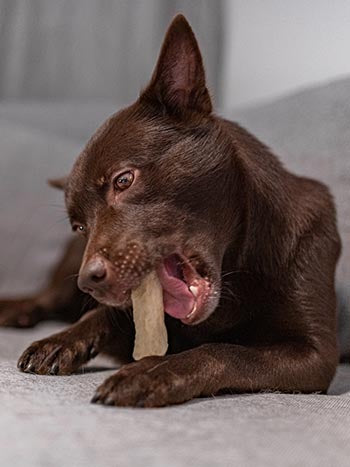
Dogs have a natural desire to chew. By chewing dogs explore their surroundings, exercise their jaw muscles, and take care of their teeth. For dogs chewing serves as a pastime and provides a positive outlet for mental stimulation. By giving your dog Best Friend’s delicious chews, your dog gets a tasty and activating snack.

Did you know that you can give chewing bones approx. 10% of the dog’s daily energy needs? Therefore, remember to take the amount of chews and treats you give to your dog during the day into account in the dog’s overall diet. From the Best Friend’s chew bones assortment, you can also find many low-fat options, such as delicious Best Friend Nordic Crunchy chews and Best Friend Bones white chew rolls. Generally, the energy a dog gets from chews is relatively small, because the dog also consumes energy while biting and gnawing on the chew bones.


How to Choose the Appropriate Chew for Your Dog?

There are many factors that you need to take into account, when choosing the appropriate chew bone for your dog. For example, the dog’s size, age, and possible health issues are factors that affect the choosing of the most suitable chew for your dog.

The most important factor when choosing the appropriate chew is the dog’s size. Giving a too big chew for a small dog is not a good idea, because the dog may have difficulty chewing it due to the size or hardness of the chew bone. Similarly, you should not give a chew bone that is too small to a large dog, because then the dog may even swallow it completely without chewing. For a dog that tends to eat chews eagerly and might even gobble them, you can try offering, e.g. Nordic Crunchy Chews as an alternative. The crunchy but tough texture in them makes the dog chew the bone in smaller pieces.

You should always keep an eye on the dog while he’s eating chews, so that the dog does not swallow too large pieces of the chewed bone. Pieces of bone that are too large can cause problems with digestion and possibly intestinal blockages. It is also good to monitor the eating of chews from the point of view of the well-being of the dog’s mouth, so that eating of the chews would not cause damage to your dog’s teeth or cause mouth sores.

Remember to also keep in mind the dog’s age when choosing a suitable chew for your dog. Puppies, adult dogs, and old dogs each have different needs when it comes to chew bones. Puppies need softer chews that are easy to gnaw because their teeth are still developing. Older dogs’ teeth may not be as strong as they used to be, so they need bones that are not too

hard. There may also be breed-specific factors that should be taken into account when choosing suitable chews. Small, strong-jawed terriers may e.g. be able to eat harder chews than some larger dog breeds with weaker jaws.

Remember to also take the health aspects into account when choosing a chewing bone for your dog. If your dog has allergies or sensitivities, you need to choose a bone that does not contain anything that could trigger these problems. It is also recommended to avoid giving too hard chews to dogs with dental problems, as they may have difficulty chewing them.


The Benefits of Chew Bones for Dogs

Chewing bones are the best pastime for dogs! Intermittent chewing helps prevent boredom. Dog bones of different shapes and compositions are a very suitable brain teaser for a dog. By regularly offering your dog chews, you can also guide the dog’s natural instinct for chewing to permitted things, instead of your shoes.

Chews can also be helpful in caring for your dog’s teeth and preventing gingivitis. When your dog has the right kind of chews daily, the drooling increases in the dog’s mouth while eating the chew bones. The increased salivation helps to reduce the plaque that forms on the teeth and prevents diseases in the oral area.

Chewing bones are also beneficial for puppies, especially at the time of teething, when the puppy’s need to chew is strong.


From Puppy to Senior: Choose the Right Chew for Every Age

The dog’s age, weight, and activity level affect what kind of chew is best for your dog. You should choose a chewing bone suitable for your dog’s age and stage of life.


Puppies:

Puppies are full of energy and curiosity, which is why they love to chew and explore things with their snouts. Puppies need chews that can withstand their intense chewing but are still soft enough to not damage your puppy’s teeth.

Best Friend Nordic Crunchy Chews are an excellent choice for puppies, thanks to their tough chew resistance and suitable soft texture. Remember to always supervise your puppy when he is chewing on any chews so that he does not swallow too large pieces of the chewing bone.


Adult dogs:

The jaws and teeth of adult dogs have already developed, so different types of chew bones can be offered. Therefore, you can try various options to find the chews that are best for your dog. Like people, most dogs also like variation, and that’s why the Best Friend chew bone selection includes a comprehensive selection of chews with different textures, tastes or shapes.

An adult dog can quickly learn the technique how to gnaw the favorite chew instantly. By regularly giving different types of dog bones to chew on, you offer your dog a brain workout and help him enjoy chewing for longer. The deliciously meaty Best Friend Bones 3in1 chew bones are a very tasty option for adult dogs and they are usually enjoyed for a long time!


Senior dogs:

As dogs age, their teeth become more brittle, and their jaws weaken. This means that they need softer chew bones to chew on so that their teeth are not damaged by bones that are too hard. For old dogs, an excellent choice is, due to its light chewing resistance and size, for example, Best Friend Bones Munchy Stick. The only animal raw material in these chews is ox hide, so they are also suitable for senior dogs suffering from allergies.

Dental care is especially important for old dogs. Dog chews used regularly can help keep toothache away and the mouth healthy. Senior dogs can also be given softer toys, such as soft toys or rope toys, with which they can play and carry out their chewing behavior. Remember always to make sure that the chew bone or the toy you give to your dog is big enough so that the dog cannot swallow it.

Check out the wide selection of Best Friend dog chews

Posted on Leave a comment

Natural Bites – The Quality Meaty Treat For Dog Training

Natural Bites Dog Treats

With High-Quality Meaty Treats, Even an Old Dog Can Learn New Tricks!

Super meaty and deliciously tasty Best Friend Natural Bites -training treats are the tastiest reward for dog training moments! The grain-free composition, rich protein content and real chicken guarantee that these high-quality snacks will entice even the pickiest eaters! In our novelty treats, we have three delicious options available: Natural Bites Chicken CubeNatural Bites Chicken Sandwhich and Natural Bites Chicken Heart. Even an old dog can learn new tricks with these chicken treats!

Dogs sniffing natural bites treats

Utilize the Training Opportunities in Everyday Life

You must have heard the saying “an old dog can’t learn new tricks”. Now is the time to break this myth! Training an adult or older dog may not be as fast paced as training the puppy, but with gentle cooperation and by strengthening the bond between the dog and the trainer, even an old dog may surprise you with its skills! When training an adult dog, you can use many of the familiar methods from puppy training. Rule of thumb “Train. Reward. Repeat” applies equally to both puppies and to adult dogs. And who among us doesn’t need stimulation or brain-teasers to brighten up their days and maintain their memory?

When training an older dog, you should remember to be moderate in terms of your expectations and demands. This way the training situations remain relaxed, and too demanding exercises do not lower the dog’s motivation. The versatile rewarding of the dog in everyday life, especially in situations that require patience, waiting and giving up, strengthen the desired behavior and help weeding out unwanted behavior. Meaty, high-quality Natural Bites chicken treats are perfect for everyday’s versatile rewarding, thanks to their small size and deliciousness. Just like when training a puppy, it is also recommended to keep the training sessions short for adult dogs as well. You can easily fit several short training sessions into your everyday routine, e.g. when your dog is waiting for a meal or going out. In addition to treats, rewarding can be done with a toy, a trainer’s praise/stroking, or joint play.

The More Chicken in the Treat, the More Eager the Student

natural bites heart shape dog treat

The way to a man’s… oopsie, to a dog’s heart goes most certainly through a

tasty treat or a food reward. The versatile and tasty dog snacks in rewarding, combined with warm praise, motivate even adult dogs to work wonderfully for their reward. With three different styles of Natural Bites tasty chicken dog treats, you are guaranteed to catch the attention of even an adult dog student! Best Friend Natural Bites Chicken Cube is a new kind of training treat for dogs

made from the classic chicken fillet treat! Best Friend Natural Bites Chicken Sandwhich is a tasty treat rich in chicken, with added cod. Cod increases the deliciousness of the snack, and the good fats it contains are the perfect supplement for an adult dog doing brain work! Best Friend Natural Bites Chicken heart is a heart-shaped lovely dog treat! The palatability of this treat is further enhanced by the cod and the good fats it contains! As with humans, also with dogs, repetition is the mother of learning. That’s why even in the training of an adult dog, timely hiring, repetition, and the trainer’s patience are the most important tools for success. Dog training does not end with the puppy age, but happily goes along throughout the dog’s lifetime – that’s why delicious training treats belong on every dog ​​owner’s shopping list!

Natural Bites Dog Treats Are Your Everyday Best Friend!

The myth has been busted and we can say that even an old dog can learn new tricks, if the trainer has the right tools available! Even if training doesn’t always go as well as planned, it’s good to remember to be gracious to both you and your adult dog. Little by little, with small steps, you can be sure that all the time spent on training will start to produce results. By increasing the time spent together you strengthen the relationship between you and your dog and improve seamless cooperation in all kinds of everyday situations. High-quality Best Friend Natural Bites dog treats are your everyday best friend in all training situations!

And Don’t Forget About the Classics!

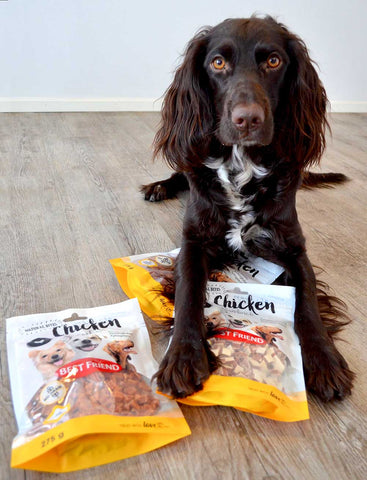
Dog with natural bites snack packages

In our delicious assortment of Natural Bites dog snacks, you can find plenty of grain-free options. In addition to the new products, the old familiar, melt-in-your-mouth classics Best Friend Natural Bites Chicken Fillet and Best Friend Natural Bites Duck Fillet are tasty additions to a dog’s versatile diet. The excellently delicious Best Friend Natural Bites Chicken Fillet Strip has also received the title of a classic delicacy it so rightly deserves. With real chicken and plenty of protein, the Chicken Fillet Strip is a tasty little treat for adult dogs. Best Friend Natural Bites Chicken Wings Chew Stick is a fun and meaty treat for dogs. The combination of a chew stick and a real chicken fillet offers a comfortable biting challenge for small and big dog friends. Dried fish treat Best Friend Natural Bites Fish is every dog’s favorite treat! Traditional dried aromatic fish is an excellent source of Omega-3 fatty acids and offers a nice change among the meaty delicacies.All dog treats in the Natural Bites assortment contain a lot of protein and are therefore very popular with dogs! You can give most of these dog treats to your dog perfectly as they are, or you can also easily break the treat into smaller pieces if necessary. Because of their excellent palatability and versatile use, Best Friend Natural Bites are a great treat even for picky dogs who may not like other types of treats.

Posted on Leave a comment

What You Need to Know About Ticks

What you need to know about ticks

As pet owners, we all want to make sure that our furry friends stay healthy and can happily run around forests and lawns during summertime without the fear of ticks. Ticks are small, only a few millimeters long parasites that thrive in shady grasses and bushes. Previously ticks were found in the south and coastal regions of Finland, but nowadays ticks have also spread to other parts of Finland.

Ticks are usually active from early spring to late fall, and during this period it’s wise to protect pets from ticks. Ticks feed on your pets’ blood and thus seek their way to your pets’ skin. The tick bites and sucks blood with its suction tube. Usually, a tick’s bite is not dangerous, but in some cases, a ticks can spread diseases with their bite, e.g., borreliosis.

The various tick products available are designed to protect against ticks and prevent bacterial infections. Ticks can cause borreliosis infection and the slightly rarer anaplasmosis in both dogs and cats.

How to Prevent Tick Bite?

It is very important to prevent potential tick bites.Best Friend Electronic Tick Repellent is suitable for all dogs and cats and is a non-toxic way to repel ticks. The electronic tick repellent emits ultrasound, which disturbs the sense sensors of the ticks, and drives them away. It is recommended, that the pet be checked for ticks every time after spending time outdoors, at least once a day.

How to Remove Tick from Your Pet?

Ticks prefer to attach behind the ears of cats and dogs, on the neck, armpits or on the head area, but they can also attach elsewhere. If you notice a tick, remove it immediately with Best Friend Tick tick remover. Carefully remove the tick using the instructions that came with the tick remover. Do not remove the tick with your fingers, as the tick can then “vomit” its intestinal contents into the bite wound, which makes it possible to catch diseases caused by the tick. By using a tick remover, you prevent parts of the tick from remaining in the bite wound, and you prevent the wound site from becoming infected. Once you have removed the tick, dispose of the tick according to recommendations by burning the tick. Disinfect the skin area where the tick was removed, and the tools used to remove the tick.

Tick remove tips

Ticks on Cats

The symptoms of a tick bite can vary, and they can be vague, in which case the tick bite may go unnoticed. Symptoms of diseases caused by ticks can include fever, fatigue, loss of appetite, pain or tenderness, lameness, or painful sores on the body. If you suspect a tick infection or if your cat otherwise feels unwell, always contact your veterinarian.

Ticks on Dogs

Ticks are a common problem among dogs, and their bites can be dangerous to a dog’s health. Ticks can spread many diseases, including borreliosis, anaplasmosis, ehrlichiosis and babesiosis.

Here are some tips to help protect your dog from ticks:

  1. Check your dog regularly for ticks. Ticks can hide in the dog’s fur, so it is important to carefully examine the dog’s ears, armpits, stomach, and groin areas. You can also protect your dog’s neck, chest, and ears with the Best Friend Repeltec scarf or tube scarf which have insect protection treatment in them.
  2. Use tick repellants. Ask your vet which tick repellent is best for your dog. These products are available in different forms such as drops, collars, or sprays.
  3. If you can choose the length of your dog’s fur during the active period of the ticks, you should keep the dog’s fur short. Short fur makes it easier to spot and remove ticks.
  4. Avoid walking in tall grass or areas known to have a lot of ticks.
  5. Remove ticks immediately when you notice them on your dog’s fur. Use tick removers or a pick and pull the tick out slowly and steadily, avoiding squeezing. Do not use alcohol, vaseline or other substances to remove ticks.
  6. Monitor your dog’s behavior and health. If you notice anything unusual in your dog, such as fever, loss of appetite, vomiting or loose stools, contact your veterinarian.
Posted on Leave a comment

Raising a Puppy:Must-have Products for a Puppy

What to Consider Before Bringing a Puppy Home

Buying a puppy and bringing it home is an exciting experience, but it also brings along a lot of responsibility. Before you decide to get a puppy, it’s good to consider few important things. Check below what to take into consideration before the puppy comes home.

Firstly, make sure that you have the time and resources to take care of the puppy. Puppies require a lot of time, attention, and training in order to grow into happy, healthy and well-behaved dogs. If you work long hours or travel often, it’s a good idea to make sure that everyone in the household is involved in raising and caring for the dog – puppies require commitment from all family members!

Make sure you have a safe space in your home for your puppy, where the puppy can relax and play. This can be puppy’s own room or some part of the house, where the puppy can feel safe and comfortable alone a bit further away from other family members or other pets. Check that there are no hazardous things in this puppy’s safe space, such as electrical wires, poisonous plants, or small, swallowable objects that could pose a danger to the puppies. The puppy should also have a safe, preferably fenced area for outdoor activities, where the puppy can relieve itself in peace. This helps the puppy to learn house trained more quickly.

It is also important to be prepared for the financial costs associated with owning a dog. In addition to food and supplies, puppies need regular vet visits, vaccinations, and check-ups throughout their lives. By taking care of your dog’s health care in a preventive way, you avoid the most serious problems. Make sure these dog care costs fit into your budget before you consider getting a dog.

Bringing a puppy home is an incredibly rewarding experience – but it requires careful consideration in advance! Make sure you are ready to take on the responsibility by choosing the right breed for you, creating a suitable living environment for the puppy, preparing financially for vet visits and supplies, and making sure that all family members are committed to taking care of the puppy before you make the decision to get a dog.

Must-have Puppy Products

Ensuring the happiness and health of a puppy requires more than just love and tender attention – in addition to the right type of food, you also need feeding bowls, water bowls, toys and other accessories suitable for the puppy, so that the puppy stays safe, comfortable and healthy in its new home. We have compiled some of the most important tips to ensure a happy and safe start to life for your puppy.

1. Feeding Puppies:

When the puppy moves to a new home, the breeder usually gives feeding instructions and often also food that the puppy is already gotten used to in its foster home. It is a good idea to let the puppy get to know the new home for a few weeks and get used to everyday life, before you can gradually change the food eaten in the foster home to a new one. When feeding a growing puppy, you should choose a high-quality dry food intended for puppies, the composition of which contains just the right ingredients for the beginning of a happy life. From Racinel Nordic Puppy Chicken food, the puppy gets all the nutrients it needs in the form of a delicious kibble. If you want to offer your puppy only raw or homemade food, remember to take care of getting the necessary supplements. In addition to the puppy’s dry food, you can also occasionally offer the puppy; meat, homemade food, etc. mixed with the kibbles, thus helping the puppy to get used to different foods. Also remember to keep in mind that the dog treats and tasty snacks used in puppy training should be considered when calculating the puppy’s daily total energy needs. Racinel Nordic Puppy Chicken dog food is suitable for puppies of all sizes and breeds, and is recommended to be fed to small dog breeds up to at least 10 months of age, to medium-sized dog breeds up to at least 12 months of age and to large dog breeds up to at least 15 months of age, so that the growing puppy will definitely get all the nutrients it needs and a high-quality start to a happy life.

2. Dog’s food and water bowl:

It is important that your puppy has food and water bowls suitable for its size. Whether you choose a ceramic bowl, or a bowl made of stainless steel or plastic, keep in mind that the chosen bowl is as easy as possible to clean. In particular, the water bowl must be large enough. As the large breed puppy grows, you should also consider raised dog bowl holders later, so the bigger dog does not have to strain its neck when eating or drinking.

3. Dog bed: 

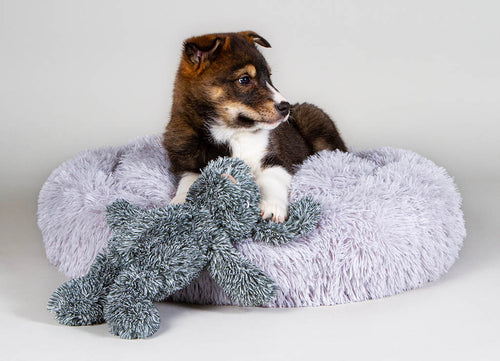
comfortable bed for your dog is the key to a good night’s sleep and wonderful daytime naps! Make sure you get a dog bed that’s the right size for your puppy so it can stretch and straighten itself and that has room for the growing puppy. You should choose a dog bed with removable; easy-to-wash covers. This way you can keep the bed clean and hygienic.

4. Dog collar, harness and leash:

Every puppy needs a collar or harness and a leash so that you can safely take it outside for a walk. When choosing a collar or harness for your dog, make sure that the product is easy for the dog to put on and that the size is right – not too tight and not too loose – so that the puppy feels comfortable when outside. It is also good to have room for adjustment in the collar or harness keeping in mind the needs of a growing puppy.

5. Dog toys and chew bones:

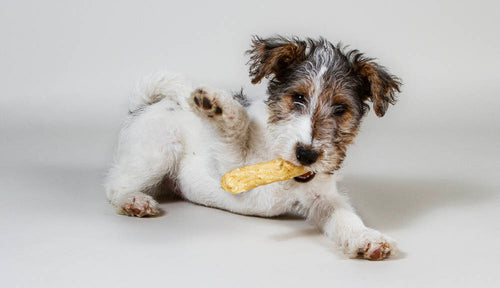
Playing is an essential part of a puppy’s life, as it develops the puppy’s motor skills, maintains good health, creates pastime entertainment and strengthens the bond between the puppy and the owner. Before the puppy goes home, it’s a good idea to get dog toys to home that are made of durable materials, such as rubber or rope, and that don’t break easily when chewed. To get rid of the chewing urge, you can also get chews for the puppy, which can help to keep the teeth clean and also provide suitable pastime activity for the dog! Remember to always supervise your dog when he is playing with toys or chewing on a chew bone. Read our tips for choosing a chews for your dog.

6. Grooming Products:

Regular fur care and nail trimming is important, and it is worth getting your puppy used to grooming procedures from an early age on. Learning care procedures with a small puppy also makes it easier to handle the adult dog. Choose the brushes and combs that are best suited for your dog’s fur care, as well as shampoo designed for dogs, which you can use to wash the fur when necessary.

Trimming puppy’s nails is an important part of a dog’s care and well-being. Nails that are too long can cause pain and discomfort for the dog when walking and running. It is important to get the puppy used to clipping nails by rewarding them with treats, so that nail clipping becomes a pleasant moment for the puppy. You can, for example, teach the puppy to calm down at the beginning and get it used to handling the paws and nails by touching, so that the puppy does not startle or fear the situation. Trimming a puppy’s nails can be done at home. To cut nails at home, you need nail scissors or nail clippers. If for some reason you do not feel confident in trimming your puppy’s nails, you can always ask a veterinarian or dog groomer for help. They are trained professionals who are happy to help you trim your dog’s nails and give advice on how to trim nails easily and safely.

A puppy can also be taught from an early age to take care of its teeth daily with a toothbrush and toothpaste intended for dogs. With regular training and by trying different brushes, you can find the most suitable dental care routine for each dog.

7. Puppy Pads and poop bags:

 With the help of high-quality and absorbent puppy pads, it’s easy to practice potty training for the puppy at home – and at the same time save the floors from moisture damage! The pads can also be used as protection, for example in a transport box or as protection for furniture. The high-quality puppy pad absorbs moisture quickly and the plastic bottom layer prevents leaks on the floor. Also, no ink is spread on the floors by little paws as, for example, might be the case with damp newspapers.

For general comfort and health reasons, it is the responsibility of every dog ​​owner to collect dog poop from the built-up areas. So, it’s worth getting durable and preferably environmentally friendly, waste bags which are e.g., made of recycled plastic and bring them along on all your outdoors walkies and hikes!

When you have all the necessary products your dog needs in your home, it’s easy for you to make sure that you’re prepared to take care of your pet in the best possible way. The puppy, on the other hand, gets a happy and healthy start to life as soon as it arrives at its new home!

Understanding Puppy’s Basic Needs 

Pets are a great joy in their new home, but pets and especially puppies require special care. Understanding your puppy’s basic needs is essential to ensure a safe and happy life for your dog. From feeding to socialization there are many factors that affect puppy’s well-being.

Feeding your puppy is one of the most important factors in caring for your pet. Puppies need balanced and high-quality food that meets the needs of their growing bodies as well as their energy and nutrient needs. It is important to give the puppy enough food, but also to avoid overfeeding. The puppy should be fed at regular intervals throughout the day and the puppy’s diet should be adjusted as it grows.

In addition to regular meals, you can also give your puppy healthy treats as part of its diet. Training treats and other dog treats are good snacks for dogs and can be used as rewards during obedience training and leash training. Just remember not to exaggerate the amount of treats – their share of the dog’s total daily energy needs should not exceed 10%. If necessary, a larger daily dose of dog treats can be taken into account in connection with the rest of the puppy’s feeding.

It is also important to remember to ensure that the puppy has access to plenty of fresh water at all times, so that the puppy’s body remains hydrated and healthy. Additional instructions on feeding the puppy can be obtained from the breeder or veterinarian.

Exercise is another key factor in a dog’s happy and healthy life. Regular exercise helps to keep the puppy active and in good condition, and at the same time, the puppy uses up extra energy, which reduces disruptive behavior in house. The more varied exercise and training the puppy gets through outdoor activities, play, swimming or hobbies, the better condition the puppy will be both physically and mentally.

Puppy socialization is also an important part of puppy care. Safely walking the puppy outside in the neighborhood and getting to know other friendly dogs, animals and people helps the puppy get used to different environments and learn the right behavior when interacting with others. Through socialization, the puppy learns to interact with other animals and people in a positive way, even as an adult.

During the socialization period, familiarize the puppy to as many different places, sounds and things as possible. You can also sign up with your puppy for a puppy course at a dog school, where the puppy learns basic commands while getting to know other dogs safely.

It is also important to give the puppy plenty of love and affection every day! Showing love,  and tender care for the puppy and doing things together help build trust between the puppy and the owner. Building a trusting relationship is hugely beneficial when it’s time to practice for more challenging situations, such as a visit to the vet.

By understanding these basic puppy needs, owners can ensure that furry friends live a happy life full of love and fun!

Posted on Leave a comment

Treat with love

kissa ja koira ulkona

It’s time to meet your everyday Best Friend.

How would you describe your best friend?

We’re pretty sure most of you would use terms like; reliable, easy to approach, playful and friendly. And that is exactly what we want to be for all pets and their families- their trusted everyday Best Friend. We are professionals that have been working for the wellbeing of pets for 50 years. Our roots are firmly planted in the Nordic soil and we take great pride in the work we do and in the expertise that has brought us here. We know what tickles the taste buds of your pet and therefore we know how to develop the tastiest foods and treats safely for your best buddy. Everything we do relies heavily on the latest research and development done by our experts.

We too are pet parents.

From the moment you bring your pet home for the first time, we’ll be there with you. Playing, helping and building this beautiful friendship together with you and your pet. Guiding you in finding the best possible products & solutions for your pet’s needs, and simply living the life by your side with all it’s ups and downs.
‘Cause that’s what best friends are for; sharing the everyday moments with you.
Your everyday Best Friend.

For Your Beloved Pets

On this site, want to encourage you to find new things to do and to be excited about the little things in life with your best friend, your pet